Black mould on shower silicone: how to clean and prevent it
Dark spots on shower silicone and grout are common in damp coastal bathrooms. How to clean them safely, when to replace the seal and how to stop them returning.
· 2 min read
Why the shower is the first place mould appears
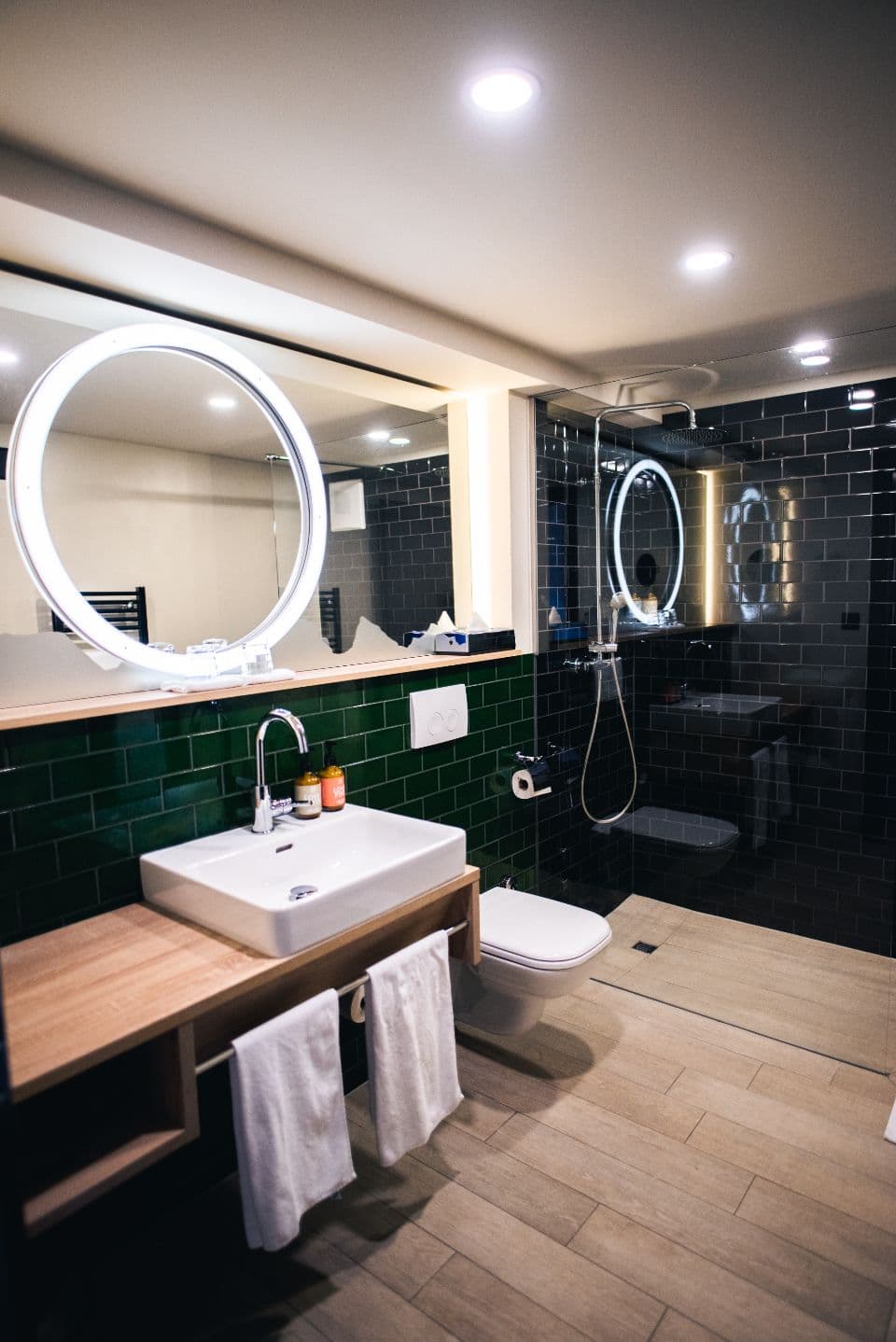
A bathroom is warm, wet and often poorly ventilated, and in winter on the coast the air outside is humid too, so towels, walls and seals take much longer to dry. Silicone is porous at the surface, which makes it the place where dark spots usually start.
Those spots are surface mould feeding on soap residue and moisture. It is unpleasant and worth dealing with early, before it works into the silicone itself.
Cleaning light mould without damaging anything
Start with the gentlest option: a bathroom cleaner suited to mould, or a diluted solution of washing-up liquid in warm water, applied with a soft brush or an old toothbrush. Leave it for a few minutes, scrub along the line, rinse and dry thoroughly with a cloth.
Never mix products, and above all never combine bleach with limescale remover or other acidic cleaners, which can release harmful fumes. Open the window, wear gloves and use only one product at a time. Test any stronger product on a hidden corner first, especially near natural stone, coloured grout or metal fittings.
When it is time to replace the silicone
If the dark colour sits deep inside the silicone and comes back within days of cleaning, or if the seal is cracked, shrunken or lifting away from the tile or tray, cleaning will not solve it. A failing seal also lets water behind the tiles, which is a bigger problem than the stain.
Replacing it means cutting out the old silicone, cleaning and fully drying the joint, then applying a sanitary silicone made for wet rooms. This is a job for a tradesperson or a confident DIYer, and the area needs to stay dry for the time the manufacturer recommends before anyone showers.
Everyday habits that keep it away
Run the extractor fan or open a window during and for about fifteen minutes after a shower. A quick wipe of the screen and the lower seal with a squeegee or cloth removes the water mould needs, and takes less than a minute.
Leave shower doors slightly open, hang towels so they dry fully, and keep bottles off the shower floor, where water and soap pool. If a bathroom is empty for weeks, as in many holiday homes, a little ventilation matters even more.
How we can help
A regular bathroom clean that reaches the seals, grout lines, screen tracks and drains keeps mould from taking hold. If a seal needs replacing, we will tell you honestly rather than keep scrubbing it.
When you book a Lavanda clean, mention any bathroom that stays damp or any stone or delicate finish, and we will choose products to suit it.