Terracotta, ceramic tiles and grout: floor care in Spain
How to clean and protect terracotta, ceramic and porcelain tile floors and grout in a Costa del Sol home, without dulling the finish or darkening the joints.
· 3 min read
Why tiled floors are everywhere here, and why they get tired
Tile is the natural choice for a warm climate: it stays cool underfoot and stands up to sand, sun and the odd spilt glass. Terracotta, glazed ceramic and porcelain are all common in Spanish homes, from old fincas to new apartments.
The tiles themselves rarely fail. What makes a floor look tired is usually the grout between them, which is porous, collects dirt and darkens long before the tile does. Cleaning products also leave a film that dulls the surface over time.
Know which tile you have
Glazed ceramic and porcelain have a hard, sealed surface and tolerate regular mopping with a neutral cleaner. Unglazed terracotta is porous: it absorbs water, oil and stains, and it is usually treated with a sealer or wax that needs respecting.
If you are unsure, put a few drops of water on a spare tile or a hidden corner. If the water beads, the surface is sealed. If it soaks in and darkens the tile within a minute or two, treat it as porous and be gentler.
A routine that does not damage the finish
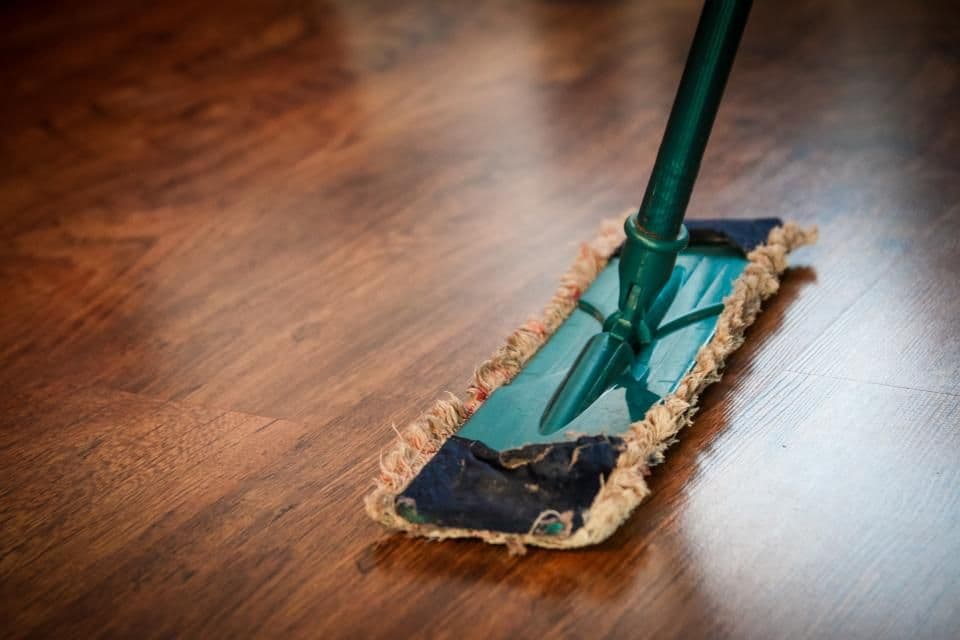
Sweep or vacuum first, because sand and grit act like sandpaper under a mop. Then mop with warm water and a small amount of neutral pH cleaner, changing the water when it turns grey so you are not spreading dirt back into the grout.
Avoid strong acids, bleach and abrasive powders on terracotta and on natural-looking tiles. Vinegar is often recommended at home, but on cement-based grout and unsealed terracotta it can etch the surface, so test a small area first or keep to a neutral cleaner.
Bringing grout back to life
For stained joints, use a soft brush and a paste of bicarbonate of soda with a little water, leave it for ten minutes and scrub along the line, then rinse well and dry. Work in small sections. A hard wire brush will scratch the tile and open the grout further.
Grout that has been dark for years may not respond to cleaning alone. In that case a specialist grout cleaner or, for cement grout, a fresh coat of grout colour or a sealer can restore an even look. After deep cleaning, a sealer helps keep the next stains on the surface.
Terracotta: sealing, wax and patience
Old terracotta often has a wax or sealer that gives it a soft sheen. Wash it sparingly, and never soak it. Over time a thin layer of fresh sealer or wax, applied to a clean, fully dry floor, protects against marks and makes everyday cleaning easier.
Coastal humidity can bring out white salty patches on the surface. Do not rinse repeatedly, as that moves the salts around. Let the floor dry, brush the deposits off, and if they keep returning, ask a specialist to look at the cause.
When to bring in help
A yearly deep clean with machine scrubbing, proper rinsing and a fresh protective layer will do more for a tiled floor than weekly mopping with the wrong product. Lavanda can clean tiled floors and grout in your home or villa, using gentle products suited to each surface. Tell us what tiles you have and we will plan the visit around them.